Resilience
Ride the Wave
Helping children build resilience by learning how to navigate life's ups and downs.
What's included
- •A counselor lesson every month, ready to present -- no prep required.
- •Every lesson tagged to an ASCA Mindset & Behavior standard and a domain.
- •Covers the whole school -- every classroom, K–5.
This year's lessons
Unit 1 (September)
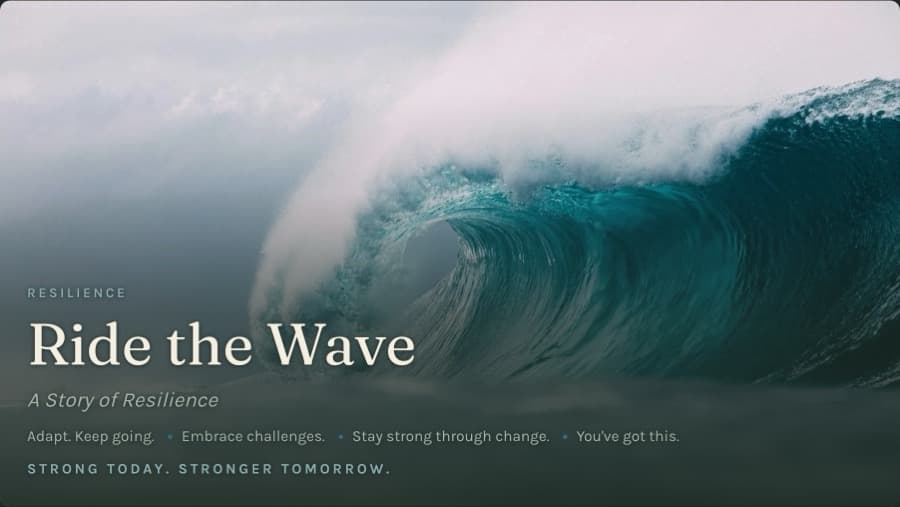
Ride the Wave: A Story of Resilience
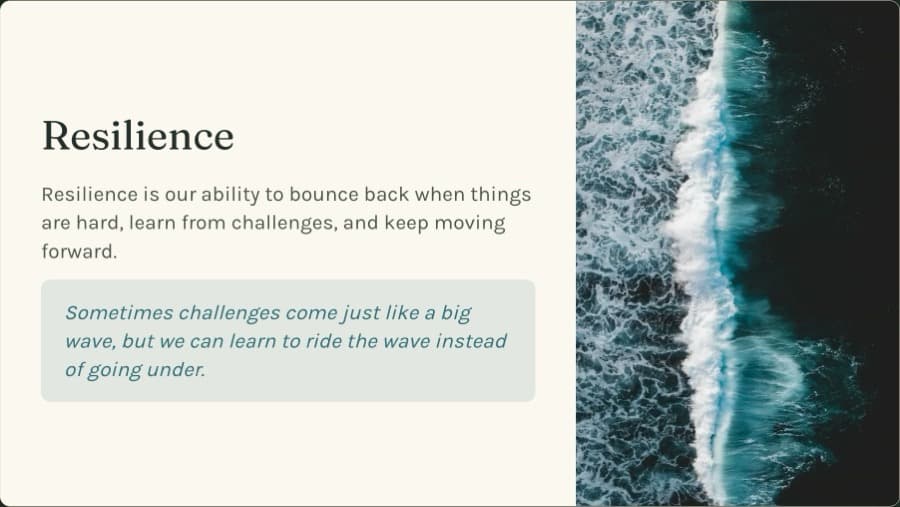
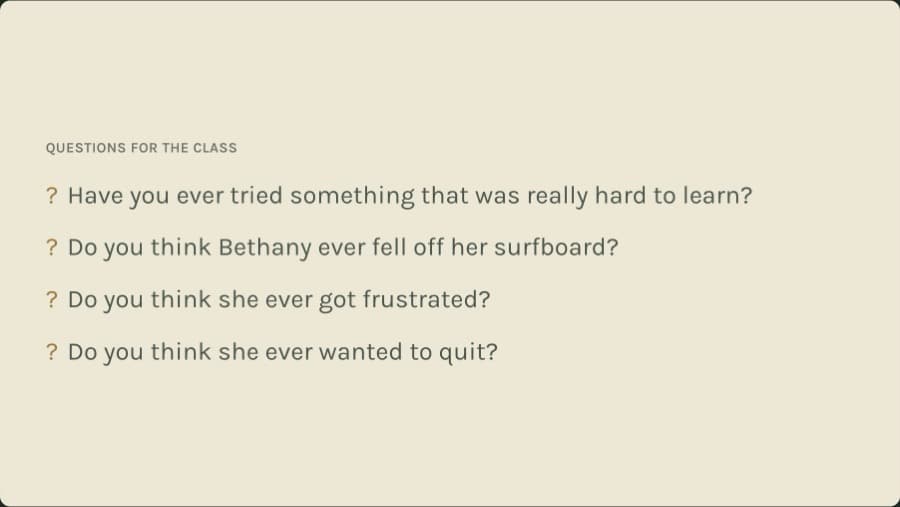
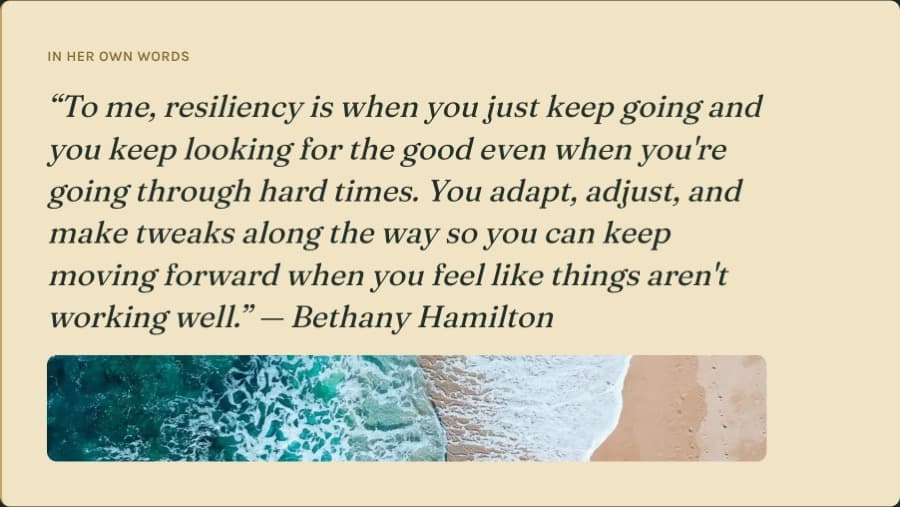
Students learn that resilience means feeling hard emotions and choosing not to let them stop you, through surfer Bethany Hamilton's story of adapting and returning to what she loves after a life-changing injury.
Sneak peek
Unit 2 (October)
Anchor Our Emotions
Students learn that emotions are like ocean waves that come and go, and practice anchoring a big emotion: pause, name it, breathe, and choose what to do next.
Unit 3 (November)
Know Your Surfboard
Students learn that just as a surfer needs to know their board, knowing their own strengths, challenges, and what helps them lets them ride their emotional waves, and explore their strengths through a color personality game.
Unit 4 (December)
We All Swim Together
Students learn that, like sea otters who hold hands so they don't drift apart, we can be resilient together by supporting each other, asking for help, and showing kindness.
Unit 5 (January)
Just Keep Swimming
Students learn that being resilient means knowing what to do when things are hard, take time, or don't work out: keep going, make a small adjustment, and try again.
Unit 6 (February)
Let It Go
Students learn that emotions are like waves: some we ride with skills and support, and some small ones we can notice, name, and let pass instead of letting them build.
Unit 7 (March)
Build Your Reef
Students learn that, like a coral reef slowing down waves, coping skills slow down big feelings, and practice calming activities that lower stress.
Unit 8 (April)
Chart Your Course
Students learn that a goal works like a map that helps them get back on track, and make a plan for what they want to achieve and what they will do when it gets hard.
Add-ons
The main add-on is the classroom-teacher reinforcement track — a short activity a teacher runs a few days after each counselor lesson, same theme, sold separately from the base license and starting around $100. Exactly what's bundled is still being finalized with the curriculum author — check back before assuming what's on offer.